









Vignettes aren't the only charge you'll run into
Where a standard vignette stops covering you, and which routes still charge extra on top.
A vignette covers a lot, but not everything, and the gap between what it covers and what it doesn't is where a lot of drivers get an unwelcome surprise partway through a trip.
What a standard vignette actually covers
In vignette countries like Austria, Slovenia, or the Czech Republic, your vignette applies to regular motorways and expressways, the roads you'd expect to use for most of a long-distance drive. That's the bulk of what you'll need for a typical trip, and for a lot of routes it's genuinely all you need to think about.
Where extra tolls still apply
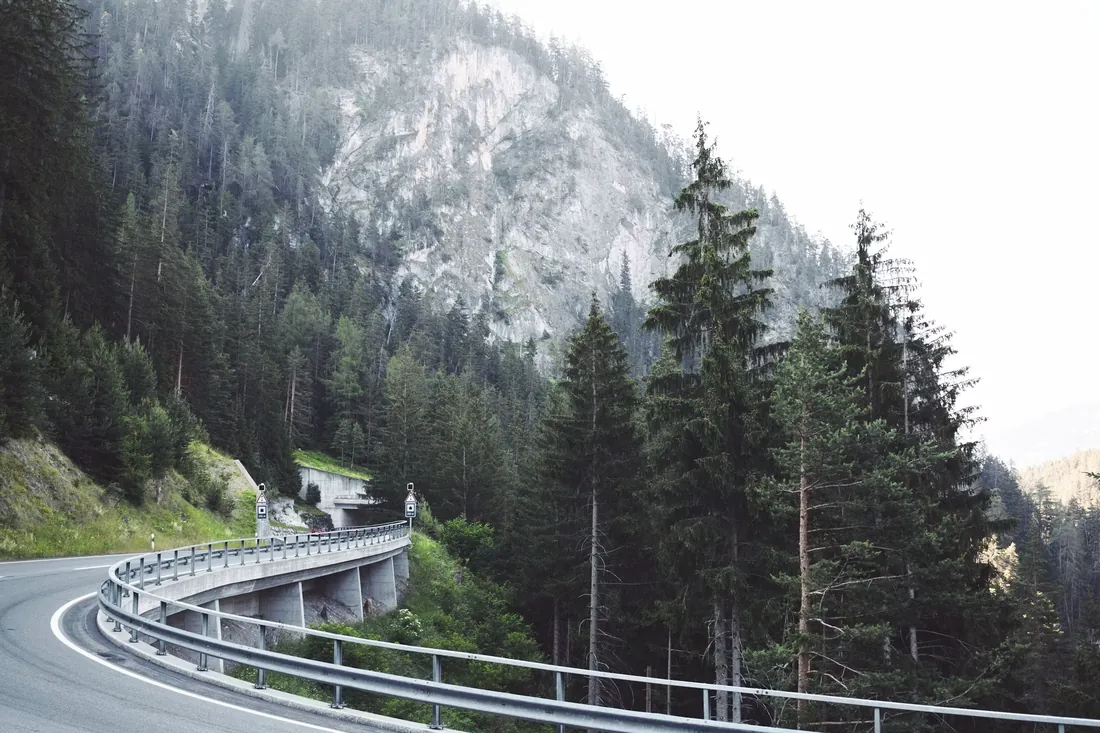
Certain tunnels and mountain passes sit outside that coverage entirely, regardless of whether your vignette is valid. Austria's Brenner, Arlberg and Tauern routes are the clearest examples: each charges its own separate toll on top of whatever vignette you're carrying, because these are treated as premium infrastructure rather than standard motorway. Switzerland has similar arrangements with some of its major tunnels. Driving through one of these sections without realizing the vignette doesn't cover it is a common way to get an unexpected charge or fine.
Countries that skip vignettes entirely
If your route takes you through France, Italy, or Spain, the whole vignette system becomes irrelevant, because those countries charge per kilometre through toll booths instead. There's no upfront pass to buy and nothing to check in advance beyond having a way to pay at the barrier, but it does mean the cost of that stretch of the trip depends entirely on distance rather than a flat fee.
Planning around the gaps
The practical takeaway is that a vignette is necessary but not always sufficient. Before a multi-country trip, it's worth checking not just whether you need a vignette for each country, but which specific routes within that country might carry an additional charge on top. A short list of the toll tunnels or premium routes along your planned path takes a few minutes to put together and saves you from finding out about them at the barrier itself.