












E-vignette or paper sticker: what's actually changed
Why digital vignettes are replacing the old windscreen sticker, and what stays the same.
For years, buying a vignette meant one thing: peeling a sticker off its backing and pressing it onto the inside of your windscreen, usually in the corner where it wouldn't block your view but would still be visible to anyone checking. It sounds simple, and mostly it was, except for the ways it could quietly go wrong.
The problems with paper vignettes
A sticker applied slightly crooked, torn while removing the backing, or faded after a summer of sun on the dashboard could all get you fined, even though you'd genuinely paid for a valid vignette. Rental cars added another layer of risk: a vignette bought by a previous renter, still stuck to the windscreen, didn't automatically transfer to you, and removing an old one without damaging it wasn't always straightforward. None of this was about avoiding payment. It was about a physical object failing in ways that had nothing to do with whether you'd actually paid.
How the e-vignette works differently
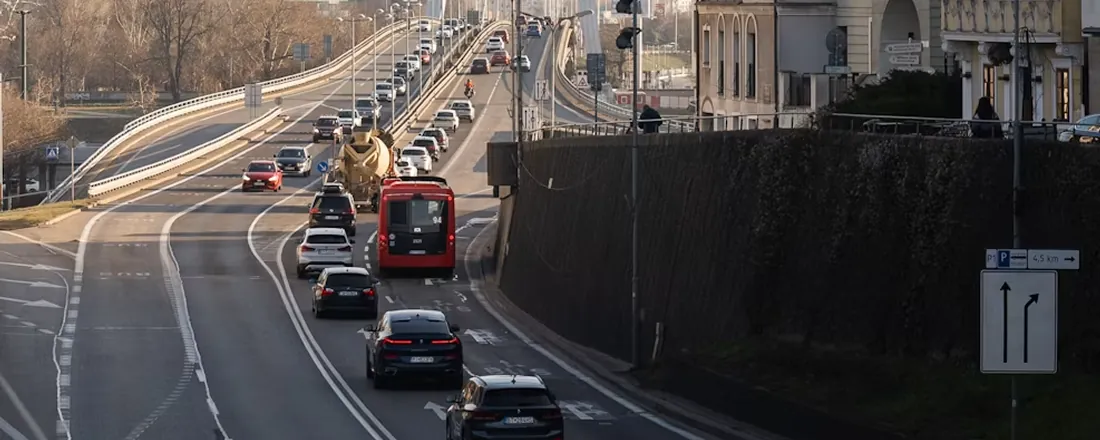
The digital version removes the physical object from the equation entirely. When you buy an e-vignette, your licence plate number goes directly into the country's official toll database. Cameras positioned along motorways read plates automatically and check them against that database in real time. There's nothing to display, nothing to line up correctly, and nothing that can peel, fade or get damaged over the course of a trip.
It also changes what happens with rental cars and vehicle changes. Since the vignette is tied to the plate rather than the windscreen, there's no ambiguity about whether a previous driver's sticker still applies to you. You buy it for your specific plate, and that's the only vehicle it's valid for.
What hasn't changed
The rules about coverage are the same regardless of format. A vignette, paper or digital, still only covers standard motorways and expressways, and separate toll routes like Austria's Brenner and Arlberg sections still charge extra either way. The switch to digital solves the physical problems with the old system, but it doesn't change what you're actually paying for.
Most vignette countries now offer the e-vignette as either the default option or a parallel choice alongside the paper sticker, and the shift toward plate-based systems looks likely to continue as more countries upgrade their toll infrastructure.